Am I a Candidate for Dental Implants?
Dental implants can be a strong option for replacing missing teeth, but candidacy depends on more than the missing tooth itself. At Country Club Dental, we evaluate your bone support, gum health, bite, medical history, goals, and healing factors before recommending implant treatment.
Implant Candidacy Is Different for Every Patient
Some patients are candidates for a single implant. Others may need bone grafting, periodontal care, extractions, or a full-arch treatment plan before implants can be considered.
A complete consultation helps us understand whether dental implants may be appropriate and what steps may be needed to support a healthy, stable result.
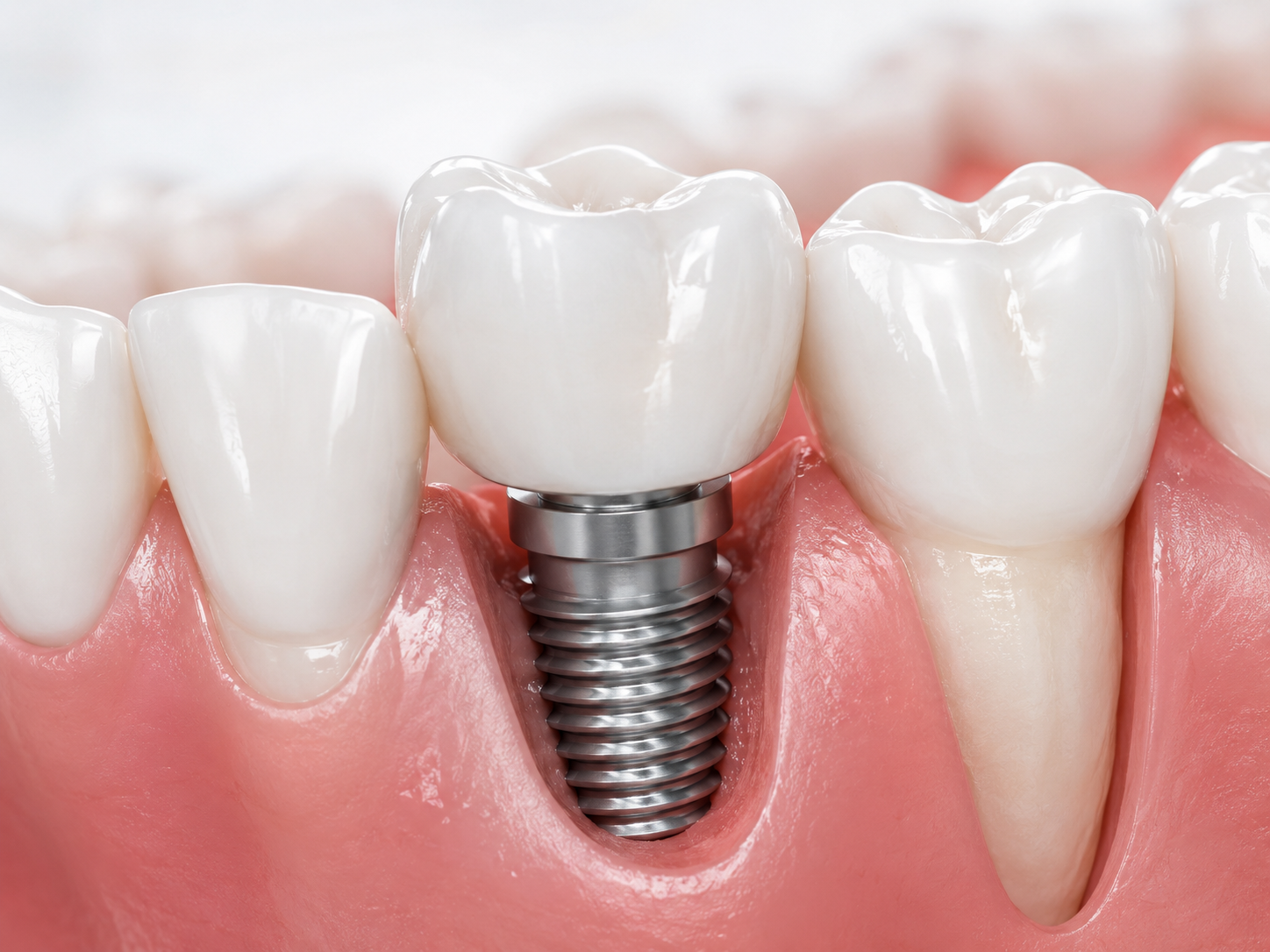
Dental implant recommendations depend on an exam, imaging, bone support, gum health, and individual treatment goals.
Important Factors for Dental Implant Candidacy
Before recommending implant treatment, we look at the full mouth and the patient’s overall health. These factors help determine whether implants may be appropriate now, later, or after additional preparation.
Bone Support
Dental implants need adequate bone support. If bone volume is limited, bone grafting or staged treatment may be needed.
Gum Health
Healthy gums and controlled periodontal disease are important for healing and long-term implant maintenance.
Oral Hygiene
Daily cleaning and regular professional maintenance are important because implant-supported teeth still require ongoing care.
Medical History
Certain health conditions, medications, and healing factors can affect implant planning and timing.
Smoking Status
Smoking can affect healing and may increase the risk of complications, so it is discussed during implant planning.
Bite Forces
Heavy bite forces, clenching, grinding, or unstable bite relationships may affect how implant treatment is planned.
Who May Be Considered for Dental Implants?
Dental implants may be considered for patients who are missing one tooth, several teeth, or many teeth. They may also be discussed for patients who struggle with loose dentures or have teeth that cannot be predictably restored.
The best treatment depends on the number of missing or failing teeth, the condition of the remaining teeth, bone support, smile goals, bite, and long-term maintenance needs.
- Patients missing one tooth
- Patients missing several teeth
- Patients with loose or uncomfortable dentures
- Patients with failing or non-restorable teeth
- Patients interested in full-arch options such as All-on-X
- Patients willing to maintain implants long-term
Not Being Ready Today Does Not Always Mean Implants Are Impossible
Some patients need preparation before implant treatment. That may include treating gum disease, removing hopeless teeth, improving oral hygiene, grafting bone, managing health factors, or planning a staged approach.
Bone Grafting
Bone grafting may be recommended when bone support is limited after tooth loss, infection, or extraction.
PRF Healing Support
When appropriate, PRF may be used during selected implant, extraction, grafting, or surgical procedures to support the body’s natural healing response.
Periodontal Care
Gum inflammation, bleeding, deep pockets, or bone loss may need to be addressed before implant treatment is recommended.
Medical Coordination
Some patients may need medical clearance or coordination depending on medications, diabetes control, healing history, or other health factors.
Staged Treatment
Some implant cases are completed in stages, especially when grafting, healing, or additional planning is needed.
Full-Arch Planning
Patients with many failing teeth may need a full-arch evaluation to determine whether All-on-X, implant-supported dentures, or another option makes sense.
A “No” Today May Simply Mean “Not Yet”
If implants are not recommended immediately, we will explain why and discuss what may need to happen first. Our goal is to make thoughtful recommendations, not rush treatment.
How We Determine Whether Implants May Be Appropriate
An implant consultation helps us gather the information needed to make a careful recommendation.
Listen
We discuss your concerns, missing teeth, chewing function, denture concerns, smile goals, and treatment expectations.
Examine
We evaluate teeth, gums, bite, missing tooth areas, existing dental work, and overall oral health.
Image
3D imaging may be recommended to evaluate bone volume, anatomy, and implant planning needs.
Plan
We explain whether implants may be appropriate, what additional steps may be needed, and what options fit your goals.
Dental Implants Require Long-Term Maintenance
Dental implants can replace missing teeth, but they are not maintenance-free. They require daily cleaning, professional care, bite monitoring, and regular follow-up visits.
Good maintenance is especially important for patients with a history of gum disease, smoking, diabetes, heavy bite forces, or difficulty keeping the mouth clean.
- Brush and clean around implants daily.
- Use recommended tools such as floss, interdental brushes, or water flossers.
- Keep regular dental maintenance visits.
- Report bleeding, swelling, looseness, or discomfort early.
- Follow home-care and maintenance instructions carefully.
Ready to Learn Whether Dental Implants Are an Option?
Schedule a dental implant consultation at Country Club Dental in Cameron Park. We will evaluate your mouth, review your goals, and explain whether dental implants, All-on-X, or another treatment option may be appropriate.
Individual results vary. A consultation, examination, and imaging are required before treatment recommendations can be made. Dental implant treatment may not be appropriate for every patient.